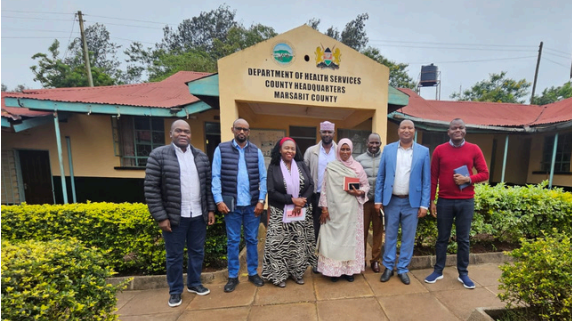
The National Gender and Equality Commission’s Isiolo Regional Office, with support from Access to Medicines Platform, has launched an inaugural three‑day engagement in Marsabit County to strengthen collaboration between county leadership and local stakeholders on priority health and equality challenges.
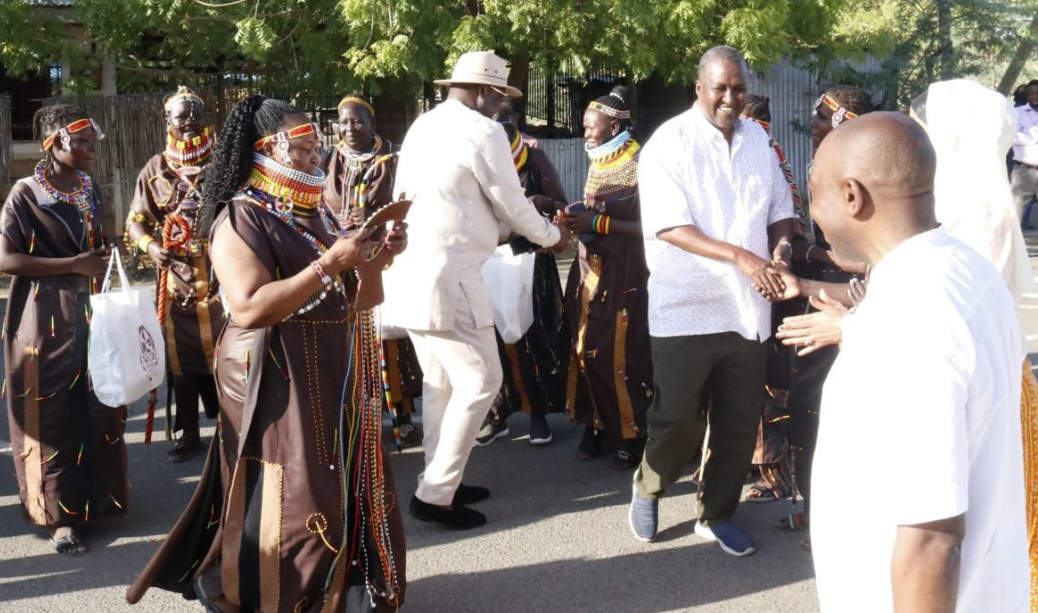
The initiative began with participation in International Women’s Day events on the first day of the engagement, where the Commission and partners used the occasion to advance conversations on gender equality, inclusion and protection from discrimination in community development and health programming.
The Commission team also paid courtesy calls to key county offices, including the Office of the County Commissioner, Mr. James Kamau, and the Department of Culture, Gender and Social Services led by Armara Galwab.
These engagements underscored a shared commitment to reinforcing strategic partnerships that can strengthen public health responses and promote inclusive service delivery for all residents.
At the heart of the discussions was a focus on expanding cooperation in sexual and reproductive health and rights (SRHR) programming and strengthening systems to prevent and respond to gender‑based violence (GBV).
Access to Medicines Platform, a civil society organization working to improve access to essential health commodities and strengthen health systems particularly in reproductive, maternal, newborn, child and adolescent health brings multi‑stakeholder advocacy experience to these efforts. Its work aims to ensure vulnerable populations, including women, girls and other marginalised groups, have access to safe, quality and affordable health services and information.
Discussions with county officials and partners centred on how existing programmes can be reinforced through coordinated planning, improved referral pathways and enhanced community awareness. In particular, representatives explored ways to deepen collaboration between the Commission, the County Health Management Teams (CHMTs) and civil society networks to improve data sharing, community outreach and the delivery of essential services.
Participants also highlighted the importance of robust county-level coordination structures in ensuring that health systems and social support mechanisms remain responsive to the needs of vulnerable populations.
Structures such as the Gender Technical Working Group and County Health Coordination Forums were identified as key platforms for driving collective action on issues like SRHR, GBV prevention, referral systems and community education.
By strengthening these mechanisms, stakeholders said Marsabit County can improve alignment between policy intentions and on‑the‑ground implementation, ensuring that strategic planning leads to measurable outcomes in health and inclusion.
The Isiolo Regional Office’s engagement in Marsabit reflects the Commission’s broader commitment to advancing equality and inclusion through partnerships, capacity building and sustained dialogue with local institutions. While International Women’s Day provided a focal point for initial conversations, the outreach aims to lay the groundwork for longer‑term collaboration that improves access to essential services and strengthens community resilience.
The engagement in Marsabit underscores that when institutions work together guided by shared goals and anchored in citizen experiences progress toward inclusion, dignity and equality becomes more tangible.
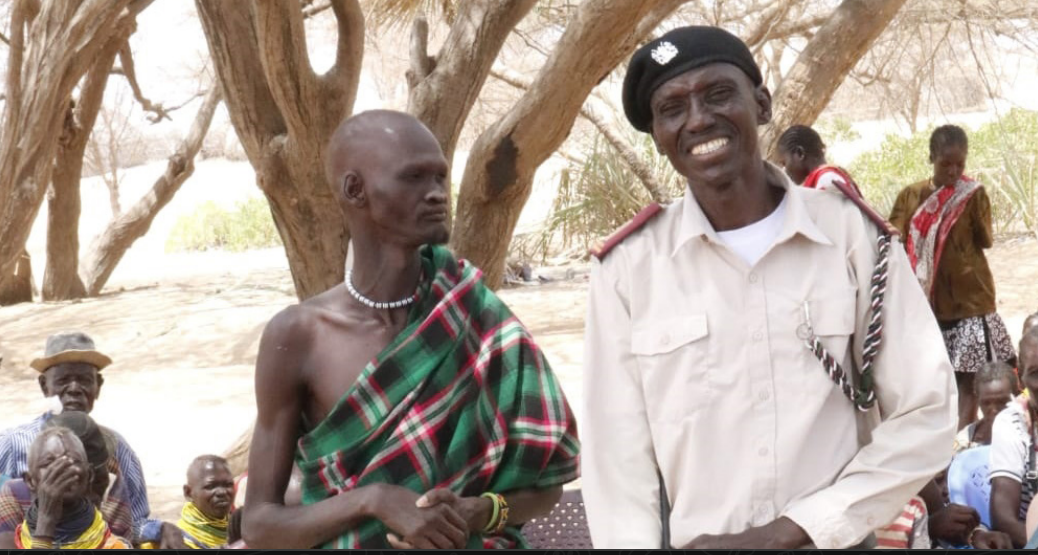
Marsabit County hosts populations whose access to health information and services has historically been constrained by geography, limited infrastructure and resource gaps. Strengthening partnerships that connect community voices with decision‑making platforms offers an opportunity to address these constraints more effectively.
.JPG)