Young people in Nakuru, including persons with disabilities, have identified stigma, discrimination and inaccessible information as barriers to sexual and reproductive health care.
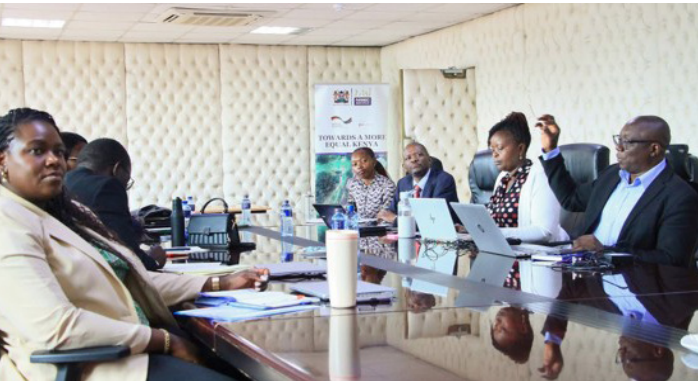
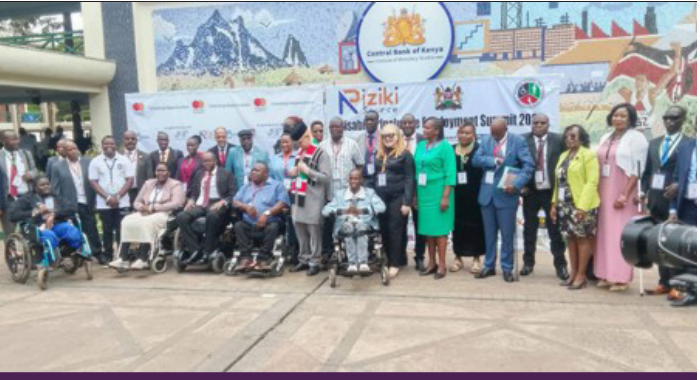
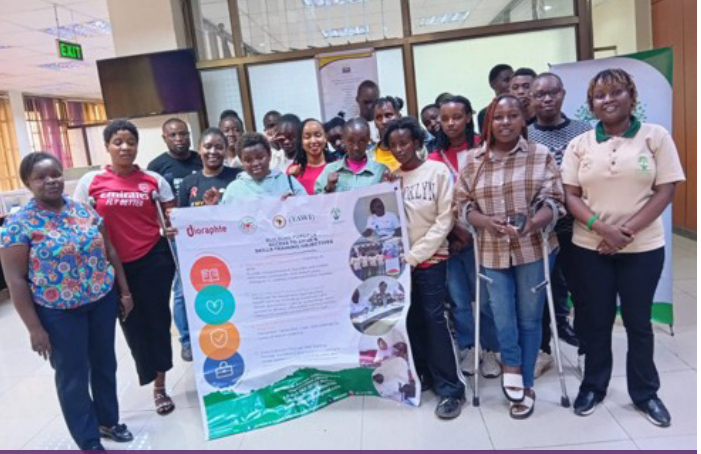
The National Gender and Equality Commission’s (NGEC) Nakuru Regional Office convened the engagement on Sexual and Reproductive Health and Rights (SRHR) and Comprehensive Sexuality Education (CSE) in partnership with Women in Society Empowerment Organization (W.I.S.E). Participants were aged 25 and below and included persons with physical disabilities and hearing impairments.
WHAT WAS DISCUSSED
The engagement addressed consent, bodily autonomy, contraception, gender-based violence and access to disability-inclusive health services. Participants cited stigma, discrimination, limited access to accessible information and a shortage of youth-friendly health care.
CLOSING THE GAP
The Commission holds that persons with disabilities have an equal right to accurate information, dignity, safety and informed choices, and that exclusion from sexuality education heightens their vulnerability to abuse and exploitation.
Addressing the gap, it says, requires sign language interpretation, accessible information materials, trained service providers and sustained partnerships with community organisations, so that the right to information becomes meaningful access for every young person.