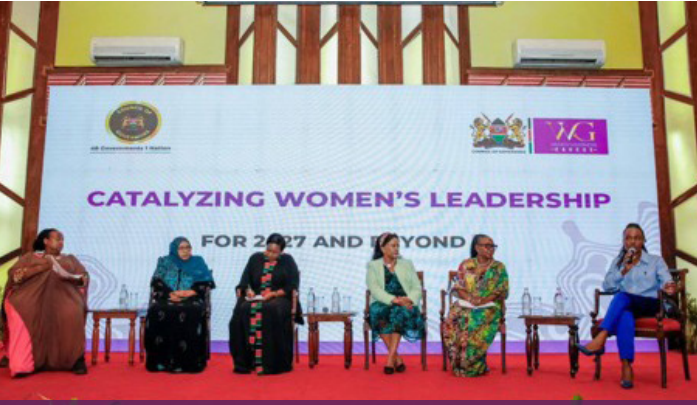
In a significant move to shape a more equitable political landscape ahead of Kenya’s 2027 General Elections, the National Gender and Equality Commission (NGEC) has tabled robust proposals before the Senate Standing Committee on Justice, Legal Affairs and Human Rights, calling for sweeping electoral reforms.
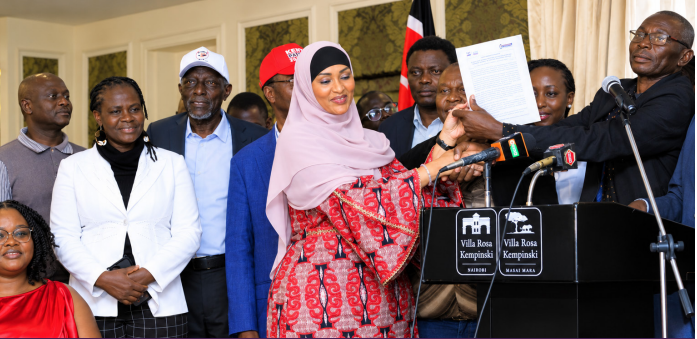
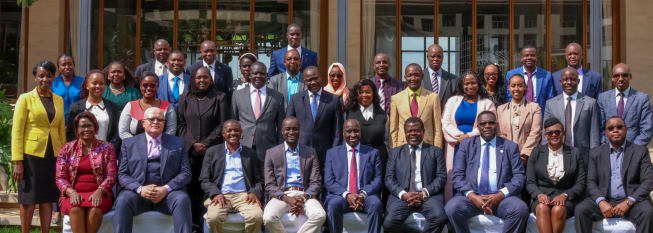
The stakeholder engagement, held in Nairobi last week, was convened to scrutinise gaps in Kenya’s electoral architecture. Representing the Commission were Commissioner Thomas Koyier, Commissioner Nzomo Mbithuka, and Director of Programmes and Research, Mr Paul Kuria—each reinforcing NGEC’s constitutional mission to promote equality and eliminate discrimination, particularly for Special Interest Groups (SIGs). At the centre of the Commission’s submission was the unfinished business of achieving gender parity in elected leadership. The team underscored the critical importance of implementing the Multi-Sectoral Working Group Report on the twothirds gender principle—an obligation that has remained elusive despite constitutional backing. “Gender equality is a constitutional imperative,” Commissioner Koyier stated emphatically. “Our electoral framework must reflect the diverse makeup of our society, ensuring that women and men share power and responsibility equally.”
Beyond gender, NGEC emphasised the urgent need to actualise Article 100 of the Constitution, which mandates representation for marginalised communities—including youth, persons with disabilities, and minority groups.
The Commission proposed specific legislative and administrative mechanisms to make political spaces more accessible and responsive to the needs of these groups. The Commission’s intervention is timely. With political parties already positioning themselves for 2027, NGEC’s engagement with lawmakers is both strategic and urgent—aimed at influencing electoral reforms that mirror the spirit and letter of Kenya’s transformative Constitution.