A quiet but growing crisis is unfolding in Kenya’s education sector—capitation delays are keeping thousands of children, especially in marginalised regions, out of classrooms. The National Gender and Equality Commission (NGEC) has now stepped forward with a resounding call to action: unless the government accelerates disbursement of funds to schools, the nation's most vulnerable learners will be lost to a vicious cycle of inequality and poverty.
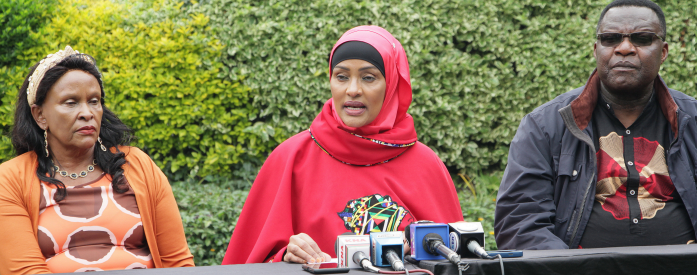
Speaking during a media briefing this week, NGEC Chairperson Hon. Rehema Jaldesa delivered a pointed warning: “We are witnessing a silent crisis. The delay in school capitation is more than an administrative hiccup—it is a systemic barrier to learning, especially for girls, children with disabilities, and those in marginalized counties.”
The Constitution of Kenya 2010, under Article 53, guarantees every child the right to free and compulsory basic education. But for many, especially in counties like Tharaka Nithi, Wajir, and Mandera, this promise rings hollow.
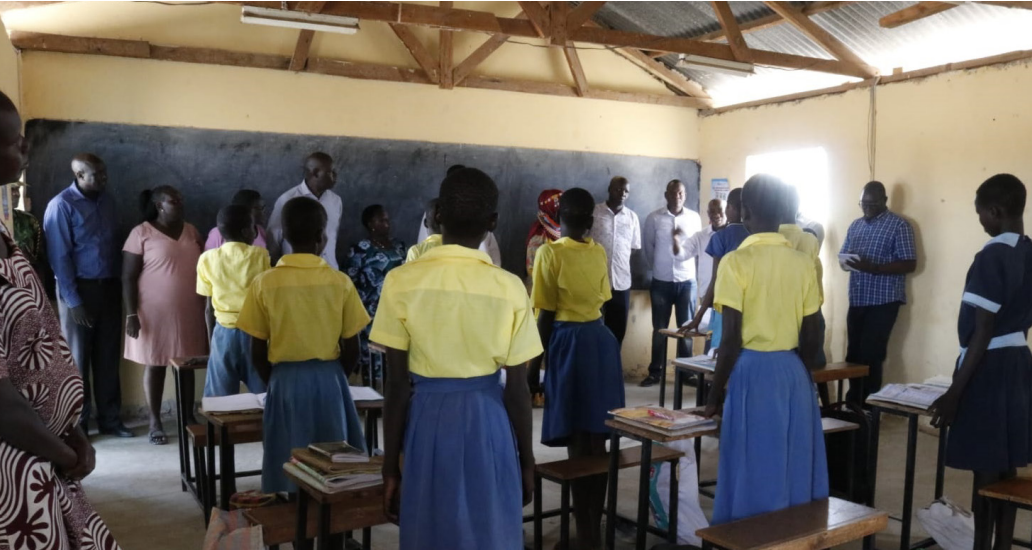
Capitation is the cornerstone of Kenya’s free basic education policy, meant to cater to learning materials, utilities, and operational costs for public schools. Any delay, even by weeks, means schools cannot function optimally. For many already grappling with poverty, cultural constraints, or early pregnancy, these delays become the final push out of the classroom.
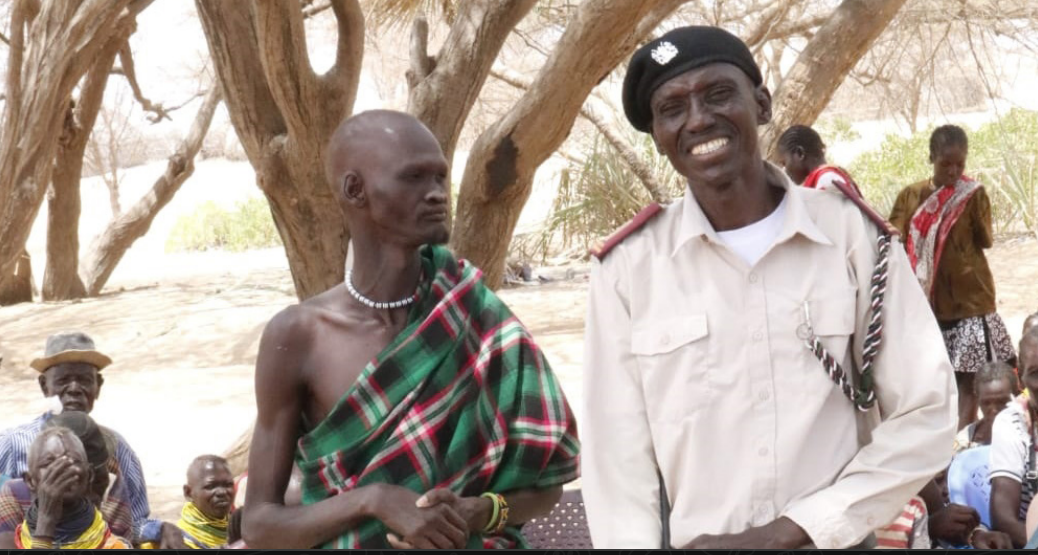
In places like Wajir and Mandera, where long distances to school and lack of basic facilities already discourage attendance, capitation shortfalls compound the problem. Children walk kilometers to schools without meals, learning materials, or security. Girls are especially vulnerable.
“It’s not just about money,” Jaldesa stressed. “It’s about dignity, safety, and inclusion. When a school can’t offer a safe environment or provide basic necessities, parents pull their children out—especially daughters.”
To tackle the structural barriers confronting Kenya’s most atrisk learners, NGEC has announced a rapid response plan. Central to this plan is a Rapid Assessment initiative focused on six marginalised counties—beginning with Tharaka Nithi, Wajir, and Mandera.
The assessment aims to map school-level challenges that hinder access, retention, and transition for learners, with a gender and inclusion lens. This data-driven approach will inform national education strategies and policy adjustments.
Moreover, the Commission has launched the National Gender and Education Research Committee (NGERC)—a multistakeholder body that will generate robust, policy-ready research to steer reforms in the sector.Perhaps the most chilling revelation from the Summit was NGEC’s concern about the growing incidence of sexual abuse and harassment in learning institutions, often involving teachers as the perpetrators.
According to the Commission, cases are either underreported or handled internally by schools —shielding perpetrators from justice. NGEC has formally written to the Teachers Service Commission (TSC) demanding immediate, decisive action.
Internally, the Commission is aligning its systems to match the gender-transformative agenda it champions. Under its newly launched 2025–2029 Strategic Plan, NGEC is placing people, purpose, and policy at the heart of its institutional culture.
“We must lead by example,” Jaldesa declared. “Becoming gender-transformative starts with how we work, who we include, and how we serve.”
he theme of the Summit —“Becoming GenderTransformative: Tools, People, and Purpose”—reflects the Commission’s renewed focus on institutional accountability, inclusion, and human-centred service delivery.
It is part of a strategic shift to ensure NGEC’s work not only identifies and addresses policy gaps but also delivers measurable change in the daily realities of the communities it serves.
Education is one of society’s most powerful equalisers. Without timely funding and safe learning spaces, Kenya risks losing a generation of learners—especially those from communities already on the margins.
.JPG)