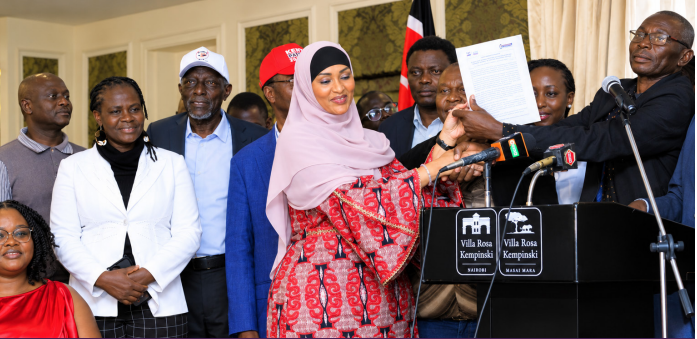
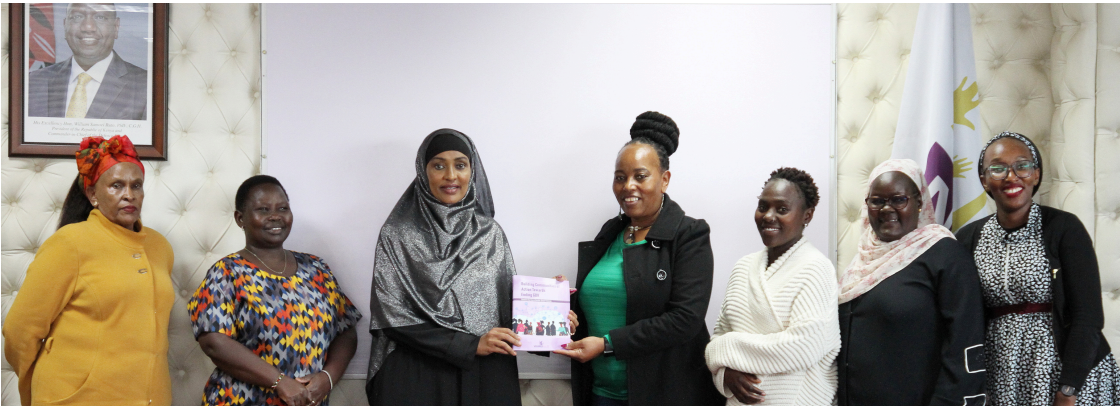
The National Gender and Equality Commission (NGEC) hosted a consequential courtesy visit by the Women Human Rights Defenders Hub-The Kenya Hub, a women-led feminist organisation championing the protection and empowerment of Women Human Rights Defenders (WHRDs) across Kenya and beyond. This meeting signals a critical juncture in the ongoing battle against Gender-Based Violence (GBV), a scourge that continues to haunt communities despite legal frameworks and policies designed to eradicate it.
At its core, the visit was more than a routine engagement; it was a strategic collaboration aimed at transforming Kenya’s response to GBV by putting survivors particularly those from vulnerable and special interest groups—at the centre of the conversation. Through candid discussions and shared visions, NGEC and The Kenya Hub confronted the stigma and social isolation that survivors endure, emphasising the need for survivor-centred approaches that prioritise dignity, safety, and justice.
Gender-Based Violence remains a formidable challenge in Kenya, deeply rooted in cultural norms, economic inequalities, and societal stigma. Despite the existence of robust legislation such as the Sexual Offences Act (2006) and the Protection Against Domestic Violence Act (2015) survivors frequently face barriers in accessing justice and support.
During the meeting, the partnership between NGEC and The Kenya Hub took a bold stance: tackling GBV through a holistic, survivor-centred lens that shifts the focus from victim-blaming to victim empowerment. This approach demands not only protection and justice for survivors but also the active dismantling of stigma, which too often leaves survivors isolated and justice elusive.
“We must hear the voices of survivors and centre their experiences in every aspect of our response,” said Hon. Rehema Jaldesa during the engagement. “Justice is not just about punishing perpetrators it is about restoring dignity and safety to those harmed.”
The Kenya Hub represents the rising force of grassroots, women-led movements that have been instrumental in breaking cycles of silence and shame around GBV. These defenders work tirelessly across counties and communities, advocating for holistic protection that recognises the diversity of women’s experiences and challenges.
Collaboration with law enforcement agencies was a key focus, aiming to enhance accountability and ensure perpetrators face the full force of the law. Moreover, the partnership advocates for education and legal support programmes that empower communities to recognise GBV, challenge harmful stereotypes, and stand with survivors.
“The women defenders at the grassroots are not just victims or bystanders; they are frontline agents of change,” said the Executive Director of The Kenya Hub. “Their leadership is critical in transforming social norms and ensuring survivors are supported, not stigmatised.”
Despite progress, numerous obstacles remain. Deep-rooted patriarchal attitudes, poverty, inadequate resources, and lack of access to justice services continue to hamper efforts to eradicate GBV and discrimination against special interest groups.
As the NGEC and The Kenya Hub forge stronger ties, their joint call to action resonates powerfully across Kenya’s social and political landscape: silence no more. Every survivor deserves respect, justice, and a life free from violence and discrimination.