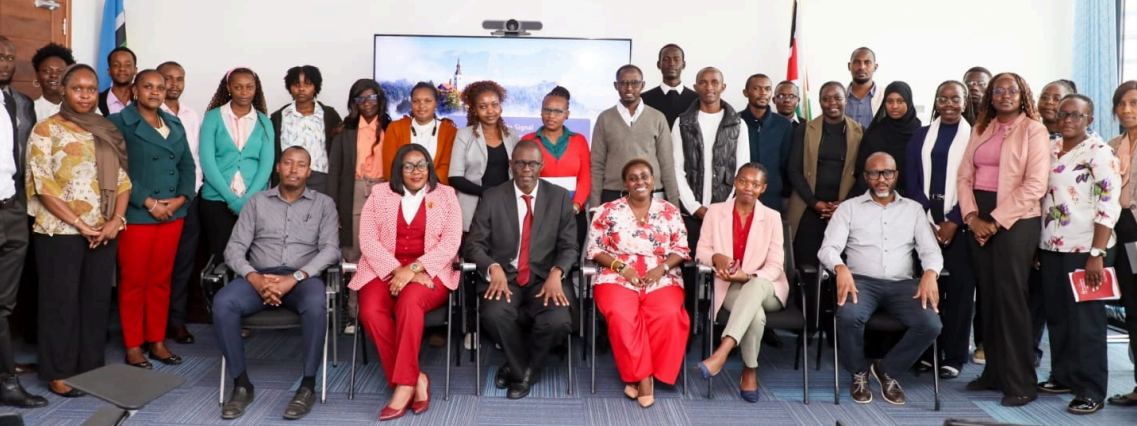
Creating safe, respectful and accountable workplaces formed the focus of a comprehensive sensitisation session on Sexual Harassment in the Workplace conducted for the Office of the Data Protection Commissioner, bringing together staff and senior management through both physical and virtual engagements. The session examined workplace safeguarding, institutional accountability and the importance of effective reporting and response systems in addressing harassment and protecting employee dignity.
The engagement comes amid increasing national and global attention on workplace sexual harassment and the barriers that continue to prevent many victims from reporting abuse. Discussions during the session highlighted that sexual harassment remains a significant challenge affecting employee well-being, equality, mental health and workplace participation across different sectors. Research in Kenya continues to show high levels of underreporting due to fear of retaliation, stigma, abuse of authority and lack of confidence in institutional reporting systems.
A 2022 survey by Knightwise Human Capital found that 86 percent of respondents who experienced workplace sexual harassment did not report the incidents to their employers, with fear of victim-shaming identified as a major deterrent.
Additional findings from workplace studies in Kenya have shown that many survivors remain silent because they fear losing employment opportunities, being labelled negatively or facing retaliation from perpetrators, especially where power imbalances exist. The sensitisation session underscored the role of leadership and institutions in shaping workplace cultures grounded in professionalism, dignity and accountability. Participants examined the importance of clear safeguarding frameworks, confidential complaint-handling procedures and institutional systems capable of responding effectively to workplace harassment concerns. The discussions noted that safe workplaces are not only essential for protecting employees but are also critical for institutional trust, productivity and organisational integrity.
Research continues to indicate that weak reporting systems and poor enforcement mechanisms contribute significantly to continued workplace harassment across sectors.
The engagement also examined legal obligations under Kenya’s Employment Act and broader constitutional protections related to dignity, equality and freedom from discrimination. Kenyan law prohibits workplace sexual harassment and requires employers with more than 20 employees to establish policies addressing sexual harassment in the workplace. Participants discussed the importance of institutions moving beyond compliance to create environments where employees feel safe to report concerns without fear of intimidation or retaliation. The session further highlighted that safeguarding systems are most effective when supported by leadership commitment, employee awareness and transparent accountability mechanisms. The sensitisation acknowledged the broader impact of workplace harassment on mental health and employee morale.
Participants noted that unresolved harassment cases can contribute to stress, anxiety, reduced productivity and loss of confidence among affected employees. The discussions reinforced the importance of supportive reporting environments, psychosocial support and workplace cultures that prioritise dignity and protection of rights. The sensitisation forms part of broader efforts to strengthen awareness on workplace equality, dignity and protection from discrimination across institutions.
Through public education, policy advocacy and institutional engagement, the Commission continues to promote safe and inclusive environments that uphold constitutional values of equality and human dignity. The engagement with the Office of the Data Protection Commissioner also reflected growing collaboration among public institutions in strengthening safeguarding and accountability systems.