KISUMU, Kenya — A proposed law seeking to strengthen access to equitable, affordable and rights-based sexual and reproductive healthcare in Kisumu County has entered a critical stage of public scrutiny, with stakeholders calling for sustained public participation to ensure the legislation reflects the needs and realities of the communities it is intended to serve.
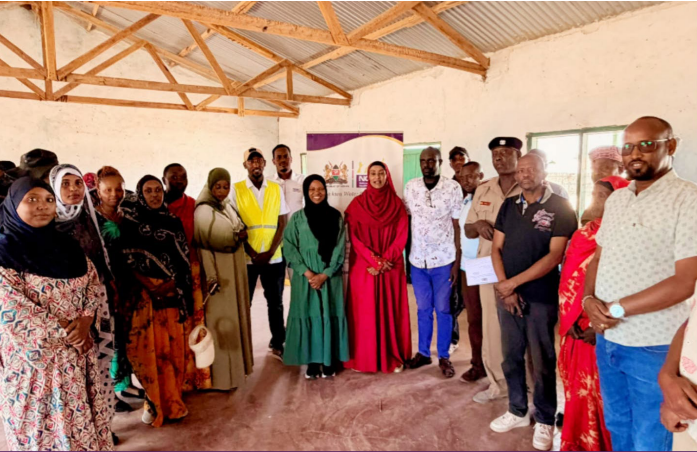
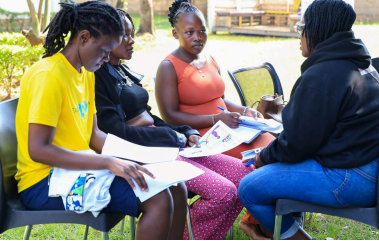
The National Gender and Equality Commission's (NGEC) Kisumu Regional Office joined Lake Region Women Health and Rights (LARWHER), with support from the KIOS Foundation, in facilitating a public participation and dissemination forum on the Kisumu County Sexual and Reproductive Healthcare Bill, 2026. The engagement brought together young women drawn from the county's sub-counties to examine the proposed legislation, enhance public understanding of its provisions and contribute recommendations before the Bill proceeds through the legislative process.
The forum reflects the growing recognition that public participation is a cornerstone of democratic governance and legislative development.
Kenya's Constitution requires citizens to be meaningfully involved in the formulation of laws and policies that affect their lives, particularly on issues relating to health, equality and fundamental rights. At the centre of the discussions was the proposed Bill's objective of strengthening access to comprehensive sexual and reproductive healthcare services while promoting dignity, equality and freedom from discrimination. If enacted, the legislation is expected to provide a clearer legal framework for the delivery of integrated sexual and reproductive health services within Kisumu County, with particular attention to women, adolescents, persons with disabilities and other groups that continue to experience barriers in accessing healthcare.
The Commission guided participants through the Bill's legal and policy framework, explaining how the proposed legislation aligns with the Constitution of Kenya, 2010, national health policies and Kenya's regional and international human rights obligations. The discussions examined key provisions relating to maternal and newborn healthcare, family planning services, prevention and management of HIV and other sexually transmitted infections, informed consent, confidentiality, disability inclusion, reproductive technologies, comprehensive sexuality education, institutional oversight and accountability mechanisms.
The dialogue also explored the practical implications of implementing the proposed legislation. Participants observed that while legal reforms are essential in strengthening access to healthcare, effective implementation will require sustained public investment, institutional capacity and continuous public awareness to ensure communities understand their rights and available services.
The engagement also reaffirmed the importance of evidence-informed policymaking. By creating space for citizens to interrogate proposed legislation and contribute lived experiences, public participation strengthens both the quality and legitimacy of laws while enhancing public ownership of development processes. Supporting inclusive legislative processes remains central to the Commission's work of promoting equality and freedom from discrimination.
Through civic engagement, policy advocacy and technical support, the Commission continues to encourage governance processes that amplify the voices of women, young people, persons with disabilities, minorities and other Special Interest Groups whose perspectives are often underrepresented in public decision-making. As deliberations on the Kisumu County Sexual and Reproductive Healthcare Bill, 2026 continue, the forum highlighted the importance of ensuring that legal reforms are matched by adequate financing, institutional readiness and sustained public engagement.