As African countries intensify efforts to address the persistent challenge of GenderBased Violence (GBV), Kenya is taking steps towards ratifying the African Union Convention on Ending Violence Against Women and Girls (AU-CEVAWG), a landmark continental treaty adopted by African Heads of State and Government in February 2025. The Convention establishes Africa's first dedicated legal framework specifically designed to prevent, eliminate and respond to all forms of violence against women and girls, while strengthening accountability, survivor protection and coordinated institutional action across Member States.
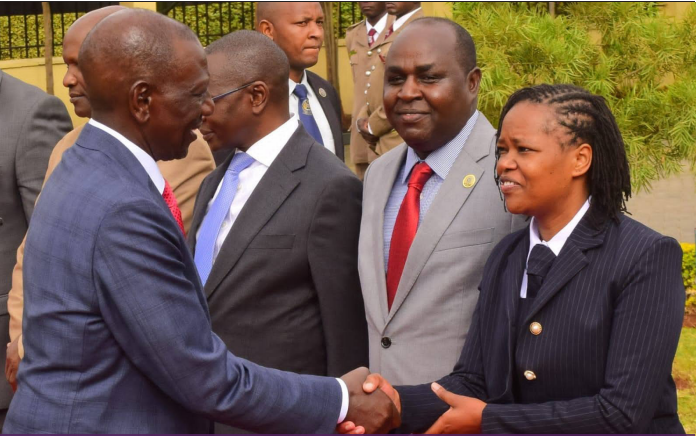
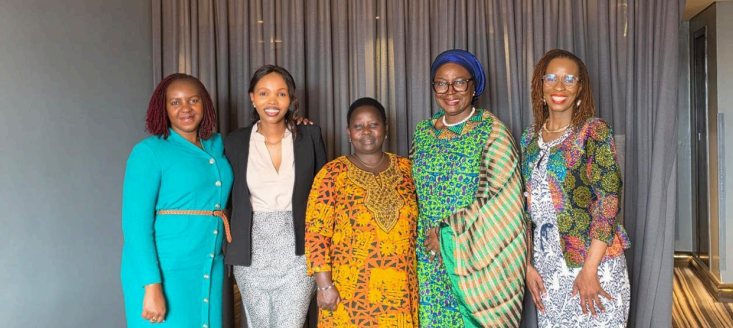
Kenya's ratification process was the focus of a high-level briefing involving the National Gender and Equality Commission, the African Union Commission and the Kenya Women Parliamentary Association. Representing the Commission, Caroline N. Lentupuru engaged Hon. Janet R. Sallah-Njie, African Union Commissioner, AU Special Rapporteur on the Rights of Women in Africa and ViceChairperson of the African Commission on Human and Peoples' Rights (ACHPR), in discussions aimed at strengthening advocacy and accelerating the country's treaty approval process.
The engagement comes at a time when governments across Africa are reviewing legal and policy responses to violence against women and girls amid growing concern over rising cases of domestic violence, sexual violence, femicide, harmful traditional practices and technology-facilitated abuse.
These forms of violence continue to undermine women's health, safety, education, economic participation and leadership, while imposing significant social and economic costs on families, communities and national development. The AU Convention was developed following a decision by African Union Heads of State to establish a comprehensive continental legal instrument capable of responding to both longstanding and emerging forms of violence affecting women and girls.
Building upon the Maputo Protocol, the Convention provides more detailed obligations on prevention, survivor-centred services, access to justice, reparations, institutional accountability, data collection and multi-sectoral coordination. It also addresses contemporary challenges, including violence facilitated through digital technologies and online platform.
During the briefing, Hon. Janet R. Sallah-Njie described the Convention as a landmark addition to Africa's human rights architecture, noting that it strengthens the continent's legal response by providing a dedicated framework to prevent violence, protect survivors, prosecute perpetrators and improve national coordination. She observed that Kenya's timely ratification would reinforce the country's longstanding commitment to promoting gender equality, protecting women's rights and strengthening regional leadership on human rights issues.
The discussions recognised that while many African countries, including Kenya, have enacted laws addressing Gender-Based Violence, implementation gaps continue to affect survivors' access to justice and protection.
Delayed investigations, inadequate survivor support services, underreporting, social stigma, limited legal awareness and resource constraints remain among the challenges that continue to undermine effective responses.
Strengthening legal frameworks must therefore be accompanied by sustained investment in institutions, survivor services, public awareness and prevention programmes.
Kenya has progressively strengthened its legislative framework through laws such as the Sexual Offences Act, the Protection Against Domestic Violence Act, the Victim Protection Act and related policy frameworks. The country is also undertaking broader legal reforms to address emerging threats, including technologyfacilitated Gender-Based Violence and imagebased sexual abuse. Ratification of the AU Convention would complement these existing laws by providing a harmonised continental framework to support national implementation while reinforcing constitutional guarantees of equality, dignity and freedom from violence.
The engagement highlighted the importance of coordinated action among constitutional commissions, Parliament, relevant government ministries, county governments, civil society organisations, development partners and regional institutions. Effective implementation of international commitments requires strong partnerships capable of translating treaty obligations into practical programmes, strengthened institutions and improved access to services for survivors. The engagement reaffirmed a shared commitment by the NGEC, the African Union Commission and KEWOPA to advance advocacy, strengthen collaboration and support the timely ratification of the AU Convention.