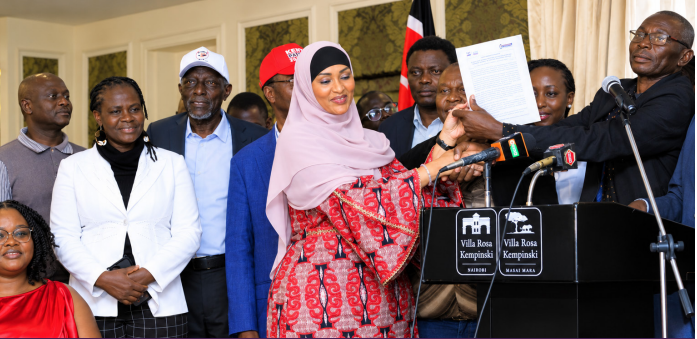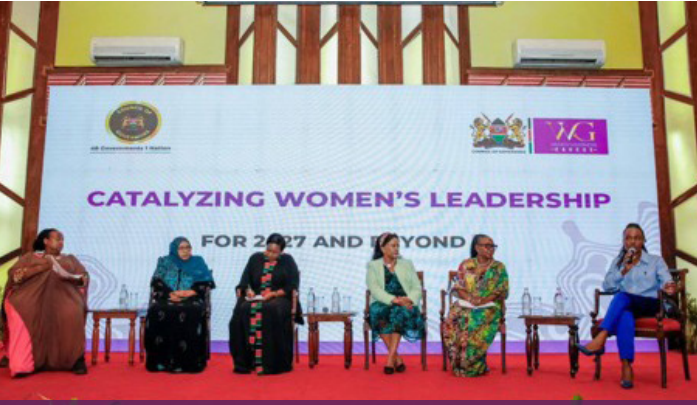
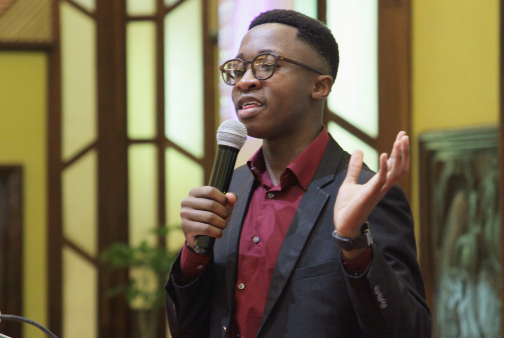
In a moment that wasn’t planned but will not be forgotten, youth leader Navrouze Desouza delivered a heartfelt, unscripted tribute to the National Gender and Equality Commission (NGEC) during the launch of its 2025– 2029 Strategic Plan. His words struck a chord, not because they were polished, but because they were lived.
Desouza, who is the Head of Communication and Advocacy at Y+ Kenya, stood to speak as a youth representative but what came out was a rare and honest account of what meaningful engagement with government can look like. “In a country where young people are often told to wait, to calm down, or to understand,” he began, “NGEC did something different. It paused to listen. Not to lecture, but to understand. And in doing so, it earned our trust.”
This statement came just weeks after Kenya’s youth particularly Gen Z led a series of protests demanding accountability, inclusion, and reform. Many institutions responded defensively. But according to Desouza, NGEC had already done the hard work of listening and platforming young people long before protests erupted. In a sector where youth inclusion is often symbolic or reduced to photo ops, Desouza painted a different picture of NGEC: one where engagement is real, consistent, and impactful. As he told it, NGEC didn’t just invite young people to meetings it invited them into decision-making spaces. A regular youth consultative forum, composed of members from universities, TVETs, informal settlements, and startups, now sits with NGEC to raise issues and propose solutions. And they are heard.
He recalled a critical moment: “Eventually, we started saying, ‘This boardroom is now ours.” The room, he said, became a space where young people weren’t just tolerated they were taken seriously. Beyond consultation, NGEC facilitated professional growth. Ten young people received Coursera scholarships to pursue technical courses. Others received training in e-mobility, digital transformation, and entrepreneurship.
“It was not charity,” Desouza emphasized. “It was investment. And it positioned us not as passive recipients, but as active partners in shaping the future of this country.” Such initiatives have had a ripple effect: creating youth advocates who understand policy, speak the language of inclusion, and are empowered to lead change in their communities. Desouza’s remarks struck a deep chord because they revealed a side of NGEC many may not know one that is quietly but deliberately building a base of informed, equipped, and confident young Kenyans. At a time when youth frustration is boiling over and public institutions are under pressure to respond better, NGEC has already laid the groundwork for trust. Desouza’s message was clear: this is not the time to stand at arm’s length. “It’s high time more young people get closer to NGEC, engage with it, and be part of what it’s doing.”
He ended with a rallying call not just to youth, but to partners across sectors: “Support NGEC. Strengthen its capacity. The KES 7 billion Strategic Plan isn’t just a document it’s a blueprint for equity. And with the right support, no voice, especially that of the youth, will be left behind.” In Desouza’s unscripted speech, NGEC didn’t just gain applause. It gained credibility. He gave the Commission what it seldom gets but has certainly earned: the testimony of impact. And perhaps more importantly, he reminded the country that if inclusion is to mean anything, the youth must not just be present they must be heard. And in NGEC, it seems, they already are.