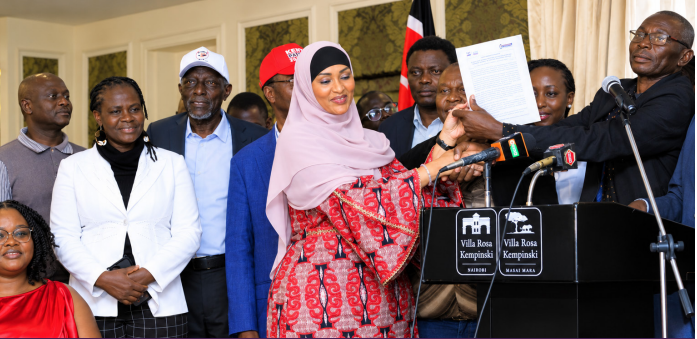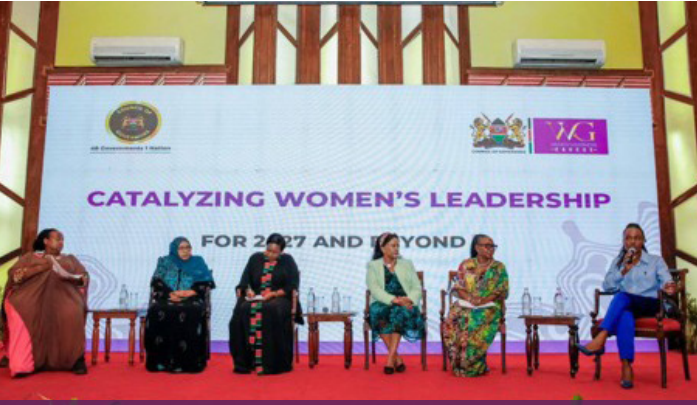
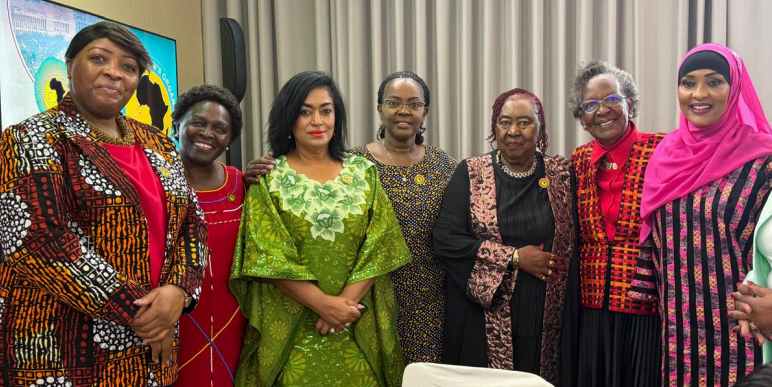
Women leaders from across Africa have convened in Luanda, Angola, for the PanAfrican Women’s Organization (PAWO) Meeting, bringing renewed focus to continental efforts aimed at advancing gender equality, inclusive leadership, women’s rights and socio-economic empowerment. Representing Kenya at the high-level engagement is National Gender and Equality Commission Chairperson Hon. Rehema Jaldesa, who joined delegates in discussions on strengthening women’s participation in leadership and decision-making spaces across the continent.
The Pan-African Women’s Organization remains one of Africa’s longstanding continental platforms advocating for women’s rights, inclusion and participation in governance and development processes. The Luanda meeting has brought together women leaders, policymakers and stakeholders from different African countries to deliberate on shared priorities affecting women and girls across the continent.
Discussions are centred on strengthening inclusive governance, advancing economic opportunities for women, addressing structural inequalities and promoting women’s participation in leadership at all levels. Participants emphasised that while Africa has made progress in advancing women’s representation, significant gaps remain in political participation, economic inclusion and access to decision-making spaces.
Kenya’s participation at the meeting reflects ongoing national efforts to strengthen women’s inclusion in governance and leadership. The country has continued to implement constitutional and policy measures aimed at promoting gender equality, including affirmative action provisions and institutional frameworks supporting women’s representation. According to the Inter-Parliamentary Union, women currently occupy approximately 23 percent of seats in Kenya’s National Assembly and Senate combined, reflecting gradual progress but also continued challenges in achieving gender parity in political leadership. Participants at the Luanda meeting underscored the need for sustained reforms and stronger institutional support to increase women’s participation across political, economic and social sectors.
The discussions highlighted growing evidence that inclusive leadership contributes to stronger governance outcomes, improved accountability and more responsive public institutions.
Research by international development organisations continues to show that increased participation of women in leadership and decision-making is associated with improved social outcomes, broader policy perspectives and stronger focus on issues affecting families and communities. Participants noted that despite these gains, women across many African countries continue to face barriers including discriminatory norms, unequal access to economic resources, political violence and limited support systems.
The Luanda meeting also placed emphasis on women’s socio-economic empowerment as a key pillar of sustainable development across Africa. Delegates discussed challenges affecting women’s economic participation, including unequal access to finance, land ownership, markets, education and technology.
According to the African Development Bank, women account for a significant proportion of Africa’s informal economy yet continue to face structural barriers limiting economic advancement and financial inclusion.
Stakeholders emphasised that advancing women’s economic empowerment requires policies that support entrepreneurship, access to resources and equitable participation in labour markets. Participants at the meeting stressed the importance of cross-country collaboration in addressing shared challenges affecting women across Africa. The engagement provided a platform for African leaders to exchange experiences, strengthen partnerships and align advocacy efforts around gender equality and inclusion.
Delegates noted that regional cooperation remains critical in addressing issues such as gender-based violence, political exclusion, economic inequality and barriers to education and healthcare. The participation of Hon. Rehema Jaldesa reflects the National Gender and Equality Commission’s ongoing commitment to advancing equality, inclusion and protection of rights both nationally and within broader regional engagements. The Commission continues to advocate for women’s empowerment, inclusive governance and protection of vulnerable groups in line with Kenya’s constitutional commitments and international obligations.