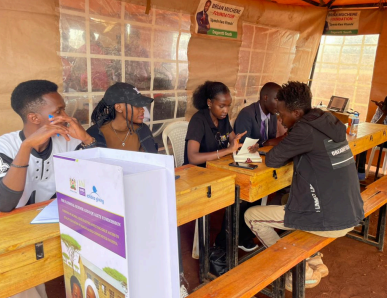
For years, Kenya’s equality agenda has been shaped by policy frameworks, legislative debates and high-level commitments. Yet, despite this progress, inequality continues to persist in the places where it matters most within communities.
It is at this intersection between policy and lived reality that the National Gender and Equality Commission’s participation in the 4th International Women’s Day Grassroots Edition, hosted by the Kibunja Foundation, takes on deeper significance.
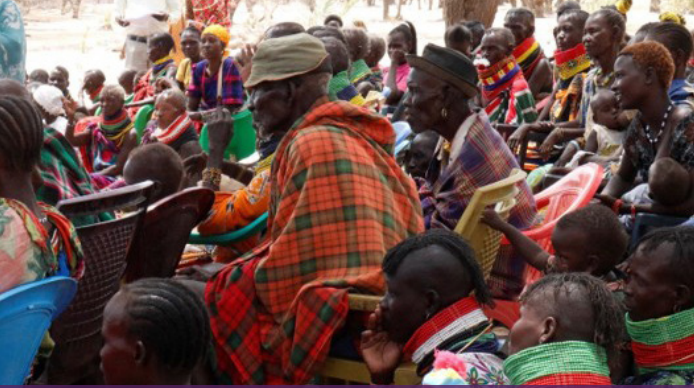
Because while laws may define rights, it is communities that determine whether those rights are realised. The grassroots forum provided a rare but necessary platform for citizens to articulate the everyday realities that often escape formal policy discourse.
Women navigating economic hardship, young people confronting limited opportunities, and persons with disabilities facing structural exclusion shared experiences that underscored a persistent gap between constitutional guarantees and daily life.
The discussions were not abstract. They were grounded in practical challenges access to services, protection from violence, economic inclusion and social recognition.
In this sense, the forum did more than convene dialogue. It exposed the limits of top-down approaches that fail to sufficiently integrate community perspectives into decision-making.
A central thread running through the engagement was the recognition that awareness alone is no longer enough. Over the past decade, Kenya has made notable strides in raising public consciousness on issues of gender equality and social justice. Yet, participants were clear: awareness without action risks entrenching frustration rather than driving change.
The call, therefore, was for accountability from institutions, from communities and from individuals. This means ensuring that policies are not only enacted but implemented, that services are not only available but accessible, and that rights are not only recognised but protected in practice. The National Gender and Equality Commission’s presence at the forum reflects a broader shift in approach one that recognises the centrality of grassroots engagement in advancing equality.
For too long, policy processes have operated at a distance from the communities they are meant to serve. The result has been a disconnect between intention and impact.
By engaging directly with grassroots initiatives, the Commission is not only strengthening its oversight role but also grounding its work in the realities of those most affected by inequality. This approach acknowledges a fundamental principle: sustainable change cannot be imposed from above. It must be built from within communities themselves.
Grassroots platforms such as the one convened by the Kibunja Foundation play a critical role in this process. They create space for dialogue, foster collective ownership of solutions and enable communities to move from passive recipients of policy to active agents of change.